

 Menu
Menu
Summary:
Many people believe asking for help is a sign of weakness, but the truth is that reaching out is one of the bravest choices we can make. This article explores why so many of us struggle to ask for help, how seeking support impacts our overall wellness, and practical ways to embrace hope instead of fear. It also highlights how Beth-El’s Wellness & Belonging campaign offers compassionate resources for those ready to take the first step toward healing and strength.
In times of struggle, many of us are taught to “be strong” and “handle it on our own.” We hear messages that asking for help is weakness, or that sharing our pain will burden others. But the truth is, asking for help isn’t giving up—it’s choosing hope.
At Beth-El, we see this truth every day. We see people who walk through life carrying silent fears, deep worries, and heavy burdens on their shoulders. We see parents trying to stay strong for their children, individuals working multiple jobs to keep their families afloat, and neighbors hiding their anxiety behind polite smiles.
Behind those smiles are questions that keep them awake at night:
- How will I pay my bills this month?
- What if I get sick and can’t work?
- What if I lose my home?
- Why do I feel so tired and scared all the time?
These worries are real. They impact not just our minds, but our bodies and spirits too. Stress and fear can lead to health problems, anxiety, depression, and feelings of isolation. That’s why reaching out for help is not weakness. It is a decision to care for yourself and those you love. It is a step toward hope and healing.
Why Do We Struggle to Ask for Help?
Many of us have grown up believing we should handle everything on our own. We’re told that “others have it worse,” or “don’t make a scene,” or “stay strong and keep moving forward.” While resilience is powerful, these messages can also cause harm. They can silence our pain and prevent us from getting the care we need.
Here are some reasons people hesitate to ask for help:
- Fear of judgment. Worrying about what others will think if we open up.
- Cultural or family expectations. The belief that strength means silence and endurance.
- Feeling like a burden. Not wanting to “trouble” others with our problems.
- Shame or guilt. Feeling we “should” be able to handle everything alone.
- Not knowing where to go for help.
But what if we reframed these beliefs? What if we saw asking for help as an act of courage and hope?
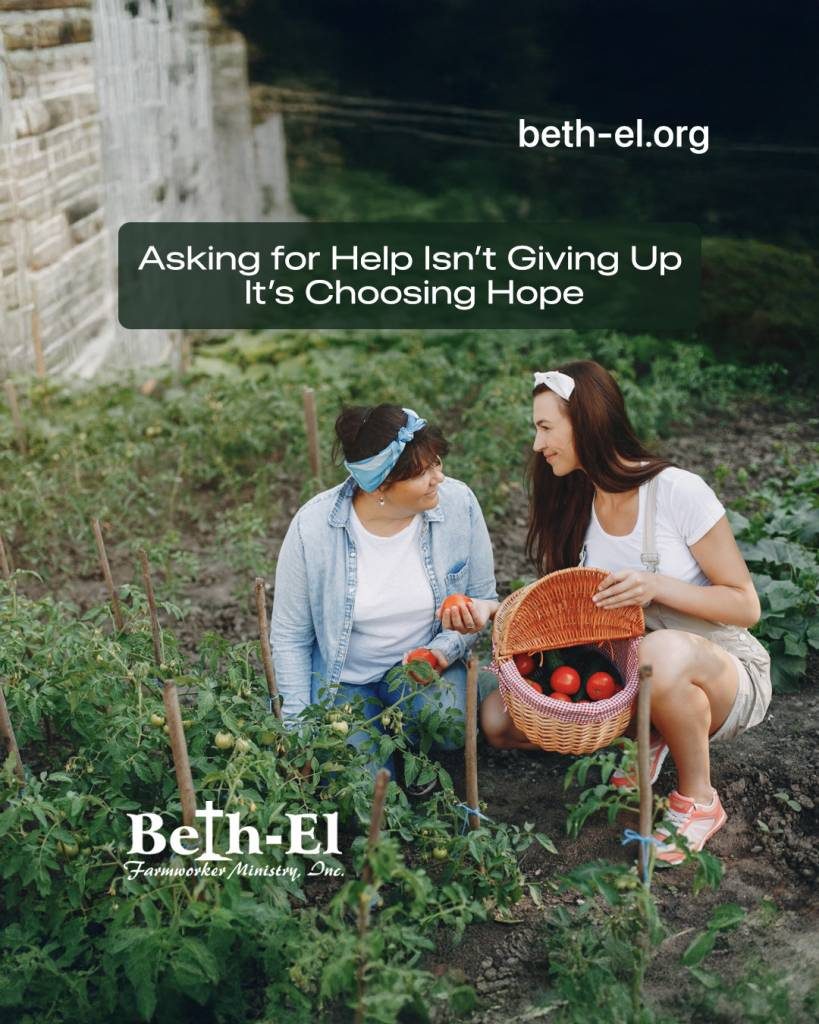
Choosing Hope Means Choosing Life
When you ask for help—whether that is calling a friend, speaking to a counselor, or reaching out to Beth-El—you are choosing to believe that:
- Things can get better
- You deserve support
- You are not alone
This choice plants seeds of hope that grow into healing, clarity, and strength. It shows that you believe life is worth fighting for and that you care enough about yourself and your loved ones to take action, even if it feels scary.
How Does Asking for Help Impact Wellness?
Wellness is more than physical health. It is about feeling safe, supported, and valued. When we reach out for help, we care for our whole selves:
- Emotionally, by finding a space to express fears and worries.
- Mentally, by gaining new tools to manage stress and anxiety.
- Spiritually, by knowing we are not alone and that someone cares.
- Physically, by reducing the burden of stress that affects our health.
Beth-El’s Wellness & Belonging campaign is built on this understanding. We believe everyone deserves a place where they feel seen, safe, and supported. Our campaign includes resources to help people navigate moments of crisis with dignity, mental health support to ease anxiety and depression, and everyday encouragement to remind you that your life matters.
How Beth-El Supports You
Through the Wellness & Belonging campaign, Beth-El offers:
- Confidential help. Speak with an advocate who will listen without judgment and connect you to resources.
- Guidance in crisis. Our “Know Your Rights” guide helps you feel prepared and informed if you ever face a stressful situation.
- Mental health and counseling resources. Access support for anxiety, depression, and emotional health.
- Local assistance. Get connected to trusted partners for food, clothing, and housing support.
- Encouragement and prayer. If you seek spiritual care, our team is here to walk alongside you.
You do not need to carry everything alone. Asking for help is the first step toward feeling lighter, stronger, and more hopeful.
How You Can Support Others
If you are in a place where you feel strong today, consider being a light for someone else:
- Listen without judgment. Sometimes people just need to speak their pain without being “fixed.”
- Check in regularly. A simple text or call can remind someone they are not alone.
- Encourage professional help. Normalize counseling or speaking with advocates as an act of strength.
- Display your ally sign. Let neighbors know your home is a safe and supportive space.
- Offer practical support. If someone you know is struggling, ask, “How can I support you today?”
Final Thoughts
Everyone needs help sometimes. It does not make you weak—it makes you human. Asking for help is not about giving up. It is about choosing hope and believing that things can get better.
At Beth-El, we want you to know that support is here. Whether you need guidance in a crisis, mental health resources, or someone to listen quietly and compassionately, our team is ready to walk beside you.
Your Next Step
- If you are feeling overwhelmed or afraid, reach out to Beth-El today.
- Visit our Wellness & Belonging page to find mental health resources, crisis guidance, and local assistance.
- Remember: Asking for help isn’t giving up – it’s choosing hope.
Visit our Wellness & Belonging page to learn more.
https://bethel3.thespotdev.com/
Car Credit Supports Beth-El Farmworker Ministry
For many farmworker families, meeting basic needs remains a daily challenge. Beth-El Farmworker Ministry provides a lifeline, offering hunger relief, education, healthcare, and spiritual growth to farm-working families and neighbors in need. Through compassion and care, Beth-El continues its mission of feeding the mind, spirit, and body of those it serves.
Nuevo en US (www.nuevoenus.org) and Car Credit (www.carcredittampa.com) are proud to support Beth-El, an organization dedicated to assisting farmworker families. For those who are new to the country, adjusting to a new life can be challenging. Thanks to Car Credit’s commitment to Spanish-speaking communities and its owner, Steve Cuculich, we work together to ensure they receive the guidance and support they need to move forward.