

 Menu
Menu
There is something deeply sacred about the act of feeding one another. For nearly 50 years, that belief has been at the heart of everything we do at Beth-El Farmworker Ministry.
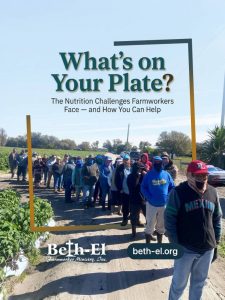
The farmworkers in our community dedicate their lives to feeding others. They rise before the sun, labor through the heat, and harvest the food that sustains families across Florida and beyond. And yet, far too often, they return home to empty refrigerators and impossible choices.
We believe that is not right. We believe every person, especially those who work so hard to nourish others, deserves to be nourished themselves. That is why our Food Pantry doors open every Wednesday, and why our team drives out to the farms every Thursday. Not as charity. As a community.
The people who harvest America’s food are among the most food-insecure workers in the country.
Why Farmworkers Struggle with Food Security
It may seem surprising that people who work in agriculture face hunger. But the reality of farmworker life makes food security a constant challenge:
Inconsistent income and seasonal work. Most farmworkers are paid by what they pick, not by the hour. When crops are thin, weather disrupts the season, or work simply runs out, so does income. Feeding a family on unpredictable wages is an exhausting juggling act.
Long hours with little time to cook. After working 10 to 12 hours in the field, many farmworkers return home too exhausted to prepare nutritious meals. Fast, cheap, and filling often wins over balanced and fresh.
Limited access to grocery stores. Many farmworker families live in rural areas far from supermarkets. Without reliable transportation, getting to a store, let alone an affordable one, can be nearly impossible.
Housing costs eat up most of their income. Rent and basic living expenses consume a significant portion of farmworker wages, leaving very little left over for food, especially nutritious food.
Language and cultural barriers. Navigating food assistance programs, understanding nutritional labels, or accessing community resources is much harder when those systems aren’t designed with Spanish-speaking families in mind.
What Poor Nutrition Means for Farmworkers
This isn’t just about hunger. Poor nutrition has real, lasting consequences for the people working in our fields:
- Physical exhaustion and reduced stamina: Hard physical labor demands proper fuel. Without it, the body breaks down faster and the risk of heat illness increases significantly.
- Nutrition-related health conditions: Many farmworker families face higher rates of diet-related issues due to limited access to fresh produce and balanced meals, a painful irony for people who pick that very produce every day.
- Impacts on children: Farmworker children who don’t have consistent, nutritious meals struggle more in school, making it even harder to break the cycle of poverty.
- Mental and emotional toll: Food insecurity creates constant stress and anxiety, compounding the already heavy emotional weight that comes with migrant life.
How Beth-El’s Food Pantry Bridges the Gap
For nearly 50 years, Beth-El has been showing up for farmworker families with practical, consistent care. Our food programs are one of the most direct ways we address hunger in our community:
Every Wednesday, 1:00 PM – 5:30 PM — Food Pantry at Beth-El. Families come to our 27-acre ministry site on U.S. Highway 301, south of Tampa, to receive groceries, non-perishable goods, paper products, hygiene kits, and clothing. No family leaves empty-handed.
Every Friday — Farm Visits. Our team goes directly to the farms to bring food and essentials to workers who can’t always make it to us. We meet them where they are, because that’s what showing up really looks like.
Seasonal lunches at the farms with partner organizations bring warm meals and human connection to workers during long, difficult days in the field.
Emergency groceries and gift cards are available through our Family Support and Case Management program for families facing sudden crises or special needs.
What Farmworkers Actually Need, And How You Can Help
Our Food Pantry relies entirely on the generosity of donors like you. Here are the items that make the biggest difference:
Non-Perishable Food Items:
- Canned beans, lentils, and vegetables
- Rice, pasta, and oatmeal
- Peanut butter and nut butters
- Canned fish and meats (tuna, chicken, sardines)
- Cooking oils and seasonings
- Instant soups and broths
Practical Extras:
- Paper goods (paper towels, napkins, plates)
- Hygiene kits (soap, shampoo, toothpaste, deodorant)
- Baby food and formula for families with young children
- Gift cards to grocery stores or pharmacies
Financial Donations allow us to purchase fresh produce, fill gaps in supply, and respond quickly to families in emergency need. Every dollar goes directly toward feeding our neighbors.
Food Is Dignity
At Beth-El, we believe that access to food is not a privilege, it is a basic human right. Every bag of groceries we hand out is more than just calories. It is a message to a farmworker family that they are seen, valued, and not forgotten.
The people who fill our plates deserve to have their own plates filled too.
This summer, will you help us make that happen?
Visit farmworkersbethel.site to donate, volunteer, or learn more about how Beth-El serves the farmworking community.
With gratitude and solidarity, The Beth-El Farmworker Ministry Team
Car Credit Supports Beth-El Farmworker Ministry
For many farmworker families, meeting basic needs remains a daily challenge. Beth-El Farmworker Ministry provides vital support by offering hunger relief, education, healthcare, and spiritual growth to farmworking families and neighbors in need. Through compassion and care, Beth-El continues its mission of nourishing the mind, spirit, and body of those it serves.
Nuevo en US (www.nuevoenus.org) and Car Credit (www.carcredittampa.com) are proud to support Beth-El, an organization dedicated to assisting farmworker families. For those who are new to the country, adjusting to a new life can be challenging. Thanks to Car Credit’s commitment to Spanish-speaking communities and the support of its owner, Steve Cuculich, we work together to ensure these families receive the guidance and support they need to move forward.